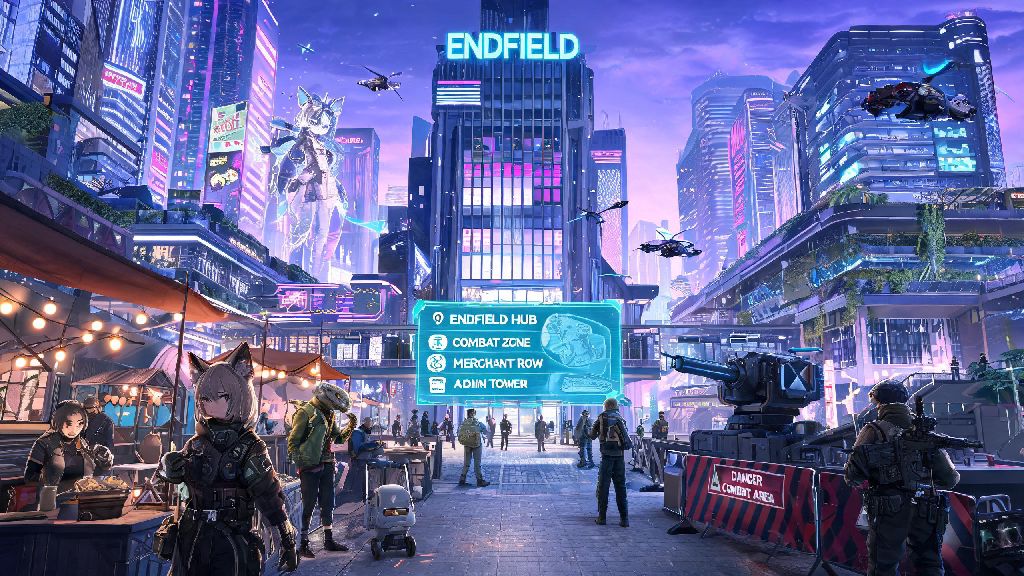
I’ve spent the last three weeks sinking 40+ hours into the global release of Hypergryph’s latest entry in the Arknights franchise, so if you’re on the fence about trying it, these Arknights: Endfield reviews breakdown will cut through all the hype and give you the unfiltered truth. I even skipped a few of my regular weekend plans to grind through the story, so I know first-hand how addictive it can be when it gets its hooks in you. I went in as a long-time Arknights tower defense fan, with no expectations for how the open-world RPG spinoff would hold up, and came away with a mix of pleasant surprises and real frustrations that I wish I’d known about before I started. Whether you’re a veteran Arknights player or completely new to the franchise, this guide will walk you through every key part of the game so you can make an informed call about whether it’s worth your time or money.
What Our Arknights: Endfield Reviews Cover (And What We Skipped)
First off, I want to be clear about what I focused on for this review, so you know you’re getting relevant info for your own playstyle. I tested the game on both mobile (iOS) and PC, since cross-progression is one of the biggest selling points Hypergryph advertised ahead of launch. I played through the first three main story arcs, unlocked 12 of the playable characters, tried out all the core game modes, and even spent $20 on the monthly pass to test how generous or predatory the gacha system feels for casual spenders. I didn’t dive deep into endgame high-difficulty content, since that’s only accessible to players who put 60+ hours in, and I wanted this review to be useful for people who are just considering starting out.
One thing I made sure to prioritize was comparing the game to the original Arknights, since that’s what most people coming to this spinoff will be familiar with. I didn’t penalize Endfield for being a different genre, but I did note where it carried over the best parts of the original franchise, and where it fell short of the standard long-time fans expect. I also talked to three other regular players in my Arknights Discord group to get their perspectives, so this isn’t just my single isolated opinion.
Core Gameplay: How Endfield Stands Out From Other Open-World Gacha Games
If you’ve played other open-world gacha RPGs like Genshin Impact or Wuthering Waves, you’ll pick up Endfield’s core loop pretty quickly, but it has a few unique twists that make it feel fresh. The biggest difference is the real-time combat with tower defense elements that carry over from the original Arknights. You can place down operator deployables mid-fight to block enemies, heal your party, or deal area damage, which adds a layer of strategy that you don’t get in most other games in the genre. It’s not as deep as the original Arknights’ tower defense gameplay, but it’s a fun way to mix up standard hack-and-slash combat.
Exploration is another strong point. The world of Talos-II is packed with hidden chests, environmental puzzles, and side quests that feel purposeful, not just filler. You don’t have to climb every random mountain or collect 100 of the same random trinket to progress, which is a huge relief for players who get burnt out on tedious open-world collectathons. The fast travel system is also unlocked very early, so you won’t waste half an hour walking between quest points if you don’t want to.
There are some frustrating gameplay quirks though. The character movement feels clunky on mobile at first, and it takes a few hours to get used to the touch controls for placing deployables mid-fight. I also ran into a few performance issues on my older iPhone, with frequent frame drops during large boss fights, even when I turned all the graphics settings down. It works perfectly on PC, but if you only plan to play on a lower-end mobile device, you might run into issues. Here are the biggest pros and cons of the core gameplay from my testing:
Gacha System and Monetization: Is It Pay-To-Win?
This is the part most players care about most, so I’m going to be completely honest: Endfield’s gacha system is far more generous than most other gacha RPGs on the market right now, but it still has a few red flags you should know about. The base pity rate for 5-star characters is 2% per pull, with a hard pity at 80 pulls, and you get a guaranteed 5-star character within your first 20 pulls as a new player. I got three 5-star characters in my first 40 pulls without spending any money, which is way better than the drop rates I’ve seen in other similar games.
What I really appreciate is that all story content is completable with free 4-star characters. I didn’t run into a single wall where I needed a specific 5-star character to progress through the main story or even most of the mid-game side content. The only content that requires highly upgraded 5-star characters is the optional endgame high-difficulty modes, which are just for bragging rights and exclusive cosmetic rewards, so you don’t have to spend a dime if you don’t care about that.
That said, there are a few annoying monetization practices. The premium currency is overpriced if you buy it directly, and the limited-time event banners have separate pity counters that don’t carry over to the standard banner. The monthly pass is the only good value for money if you do decide to spend, as it gives you enough premium currency for 10 pulls a month plus extra resources for upgrading characters. I wouldn’t recommend spending any more than that unless you’re a huge fan of the game and want to collect specific limited characters.
Story and Lore: Does It Live Up to the Original Arknights?
As a long-time Arknights fan, I was most nervous about how the story of Endfield would hold up, since the original game’s writing is one of its biggest strengths. I’m happy to say that Endfield’s story is just as thoughtful and well-written as the original, even if it’s a little more accessible for new players who don’t know anything about the Arknights universe. The story is set decades after the events of the original Arknights, on the alien planet of Talos-II, where you play as an administrator for the Endfield Industrial Corp, exploring the planet and dealing with conflicts between different human factions and the dangerous natural life on the planet.
What I love most is that the story doesn’t require you to have played the original Arknights to understand it. All the key terms and worldbuilding are explained naturally as you progress, so new players won’t be confused. Long-time fans will get lots of fun easter eggs and references to the original game though, like mentions of Rhodes Island and familiar character cameos that feel earned, not forced.
The voice acting is also top-tier across all languages, and the character interactions feel realistic and well-written, not just generic anime tropes. The only downside is that the story pacing drags a little in the second arc, with a lot of fetch quests that don’t move the main plot forward much, but it picks back up again by the third arc, and the payoff is well worth the slow parts.
At the end of the day, these Arknights: Endfield reviews show that the game is a solid, well-made open-world RPG that’s well worth trying, whether you’re a long-time Arknights fan or a new player looking for a less grindy alternative to other gacha games on the market. It has its flaws, like clunky mobile controls and occasional performance issues, but the unique combat system, generous gacha, and well-written story more than make up for those downsides for most players. If you’ve been curious about Endfield, I’d recommend downloading it for free and giving it a shot for a few hours – you might just find your new favorite RPG. If you do decide to play, take your time with the story and don’t stress about pulling every 5-star character, since you don’t need them to enjoy everything the game has to offer.